
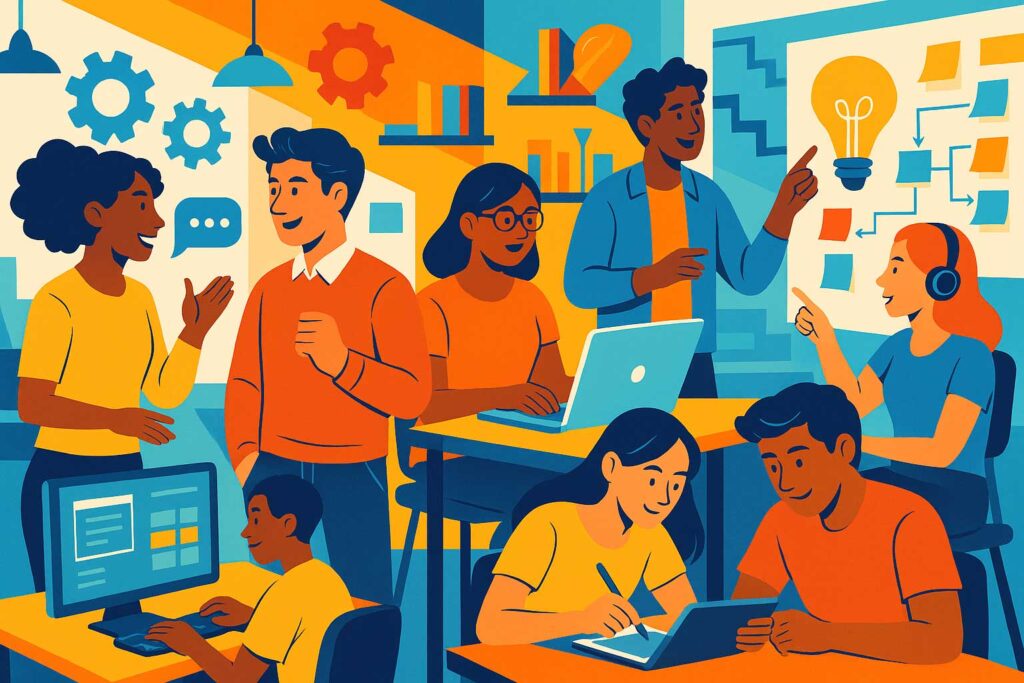
In a world of rapid change, mastering practical skills is no longer optional—it’s essential. Whether you’re a student, educator, or lifelong learner, having strong hands‐on abilities will help you adapt, thrive, and succeed. In 2025, the demand for real‐world skills (not just academic knowledge) is higher than ever. According to recent research, education is increasingly oriented toward “practical workforce skills” and career readiness. HolonIQ+3QS Quacquarelli Symonds+3EducationDynamics+3
In this article, we’ll explore what practical skills are trending, why they matter, and how you can develop them. By the end, you’ll have actionable ideas you can apply immediately.
What We Mean by “Practical Skills”
Practical skills refer to the abilities and competencies that allow you to do something—apply knowledge in real, relevant contexts rather than just passively absorbing information. These include:
- Technical skills (e.g., digital literacy, coding, data analysis)
- Life skills (e.g., financial literacy, communication, time management)
- Workplace skills (e.g., collaboration, problem solving, project management)
- Adaptive or transferable skills (e.g., learning how to learn, agility, resilience)
These are sometimes called 21st-century skills, work-ready skills, or workforce skills. KI+2EducationDynamics+2
Why Practical Skills Matter More Than Ever
Several forces are driving the importance of practical skills:
- Skills economy and workforce readiness – Education systems are shifting focus from simply delivering content to equipping learners with skills that align with employment and careers. QS Quacquarelli Symonds+1
- Technological change and automation – With AI, robotics, and digital tools disrupting many sectors, being able to adapt, use tools, learn new tasks and solve real problems is vital.
- Lifelong learning and flexibility – The jobs you will have in 10-15 years may not exist today, so building transferable practical skills helps you pivot. The OECD “Future of Education and Skills 2030/2040” project emphasises that learners need knowledge, skills, attitudes and values to thrive. OECD
- Alternative credentials and competency‐based education – Many institutions are moving toward assessing mastery of skills rather than just seat time or credit hours. Deloitte Italia+1
So in short: practical skills are the bridge between what you know and what you can do. Developing them is a smart strategy for learners of all ages.
Top Practical Skills Trends for 2025
Let’s look at some of the key trends shaping which practical skills are most valuable and how they are being taught.
1. Digital & Data Literacy
Being able to work with digital tools, interpret data, and use technology is central. From spreadsheets to analytics to automation, digital literacy is now a practical skill expectations.
2. “Power Skills” / Transferable Skills
Employers increasingly cite skills like problem‐solving, interpersonal communication, leadership, creativity, and adaptability as top priorities. KI
3. Competency‐Based & Project‐Based Learning
Rather than memorizing facts, learners are being assessed on actual ability to apply skills in real‐world or simulated settings — portfolios, project deliverables, apprenticeships. Deloitte Italia
4. Work-Integrated Learning, Apprenticeships & Hands-On Experience
Practical skills are best learned through doing—internships, co‐ops, apprenticeships, labs, workshops. EducationDynamics
5. Life Skills & Practical Everyday Skills
Beyond the workplace, practical skills include financial literacy, personal productivity, digital wellbeing, and practical problem‐solving in everyday life.
How to Develop Practical Skills: A Step‐by‐Step Approach
Here are steps you can take (whether as a student, educator or lifelong learner) to actively build practical skills.
Step 1: Identify the Key Skills You Need
- What skills matter in your field or context? (e.g., digital skills, communication, leadership)
- What are your personal or career goals?
- Use resources like job posts, industry reports or curricular frameworks.
Step 2: Choose Practical, Actionable Learning Resources
- Pick materials that emphasise doing (labs, projects, case studies) not just reading.
- Use open educational resources (OER) or platforms that are skill‐based.
- Integrate micro‐learning, modules that are short and practical, to build habits.
Step 3: Embed Real-World Application
- Set up projects, simulations, case work or internships.
- Use peer collaboration, “real” contexts rather than artificial tasks. Real challenges = better retention.
- Iteration counts: learn, try, reflect, improve.
Step 4: Track Your Progress & Build Evidence
- Keep working on tasks where you apply the skill.
- Create a portfolio or evidence of what you have done (projects, videos, blogs).
- Use feedback—both self and others—to refine and level up.
Step 5: Reflect, Adapt & Keep Learning
- Skills evolve; technology changes.
- Develop meta‐skills (learning how to learn, adapting).
- Stay curious, seek new challenges, update your skill set accordingly.
Common Pitfalls When Developing Practical Skills (and How to Avoid Them)
- Too much passive learning: Watching videos isn’t enough. Application + reflection are essential.
- Over‐specialisation without transfer: Being good at one narrowly defined task may limit flexibility. Balance depth with transferable skills.
- Ignoring context and feedback: Skills learned in isolation may not transfer. Always contextualise and seek feedback.
- Neglecting the meta‐skills: The ability to learn and adapt is itself a practical skill that’s often overlooked.
- No evidence of mastery: Without showing what you can do, it’s easy to struggle with employing your skills or proving them.
Examples: Practical Skills to Focus On Now
- Digital fluency: Navigating software, managing data, using collaboration tools.
- Communication & collaboration: Leading discussions, working in teams, giving presentations.
- Problem‐solving / critical thinking: Identifying real problems, generating solutions, testing, iterating.
- Project management: Planning, executing, reviewing a project—on time, on budget.
- Financial literacy: Budgeting, saving, investment basics, personal finance management.
- Adaptability and self-management: Time management, resilience, self‐regulated learning, growth mindset.
Final Thoughts: Making Practical Skills Work for You
Practical skills are more than just a buzzword—they are the currency of success in education and the workplace in 2025. By intentionally developing them—selecting the right resources, applying them in real contexts, tracking progress and reflecting—you can position yourself (or your learners) for greater adaptability, employability and success.
If you’re an educator or instructional designer, consider how to incorporate more doing, application, feedback, and real‐world relevance into your courses. If you’re a learner, aim to build a portfolio of experiences that show what you can do, not just what you know.
By elevating practical skills, you bridge the gap between knowledge and action—and that is where true mastery lies.